
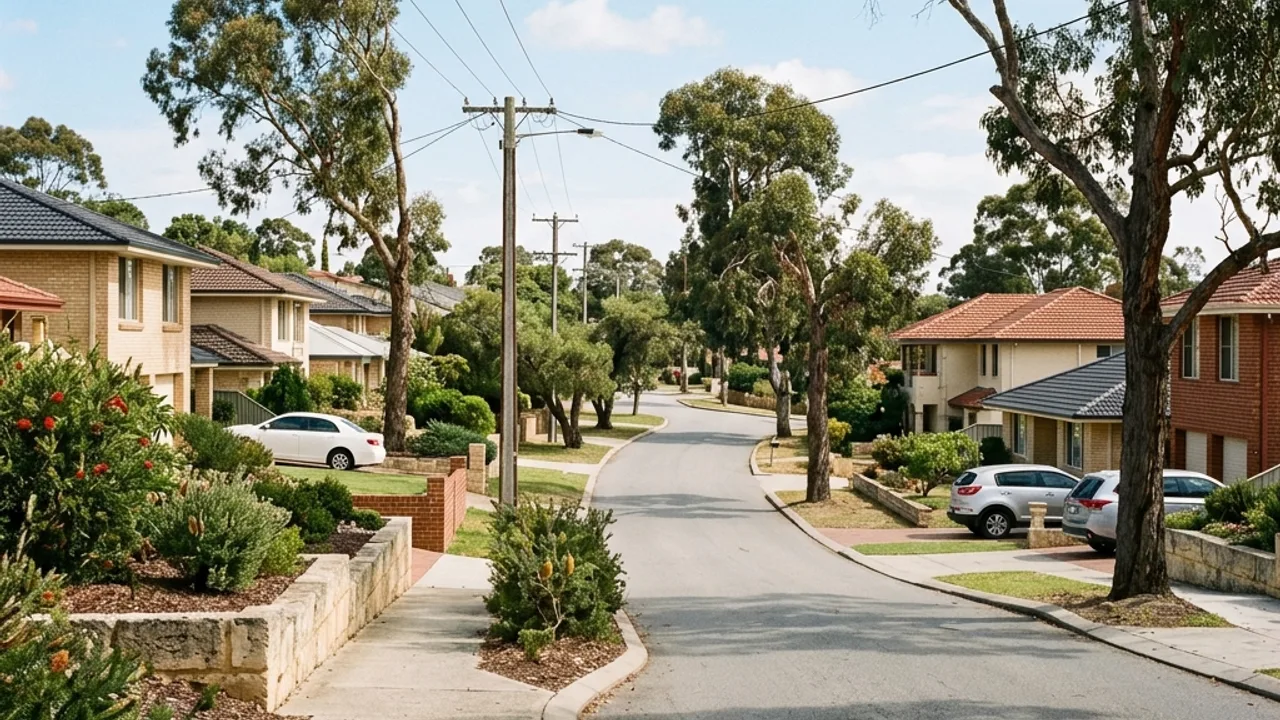
Retaining Walls in Cottesloe
Cottesloe lies on sandy Spearwood and Quindalup coastal landforms, with yellow-to-brown sand over limestone and local limestone exposure.
Retaining walls Cottesloe homeowners can rely on, matched to the ground your block actually sits on.
How Cottesloe ground affects the retaining walls Perth homeowners build
Cottesloe sits on sandy Spearwood and Quindalup coastal landforms, with yellow-to-brown sand over limestone and genuine limestone exposure in places. Elevation across the suburb ranges from around 5 to 47 metres, so unlike a uniformly flat beachside suburb, Cottesloe blocks can carry real grade depending on how far back from the beach they sit. Limestone retaining is a natural, locally-appropriate choice here, and heritage-area considerations near the older parts of the suburb can affect what a council will approve.
Why Cottesloe Homeowners Use Our Help
Sand-belt geometry, not soil movement
On the coastal plain a wall is usually earning its keep by levelling a building pad or holding a sandy face stable, not resisting clay movement - we scope the job for that real problem, not an imported one. Relevant for blocks around Marine Parade and near Cottesloe Beach.
Limestone-depth awareness
Yellow sand over limestone is common on this part of the coast; we flag the excavation-cost risk of hitting rock early before you commit to a price, not after the digger arrives. Relevant for blocks around Napoleon Street and near Indiana Tea House.
Established-garden sensitivity
Retaining work around mature gardens and established street trees is planned to protect root zones and existing landscaping, not just to get the wall in as fast as possible. Relevant for blocks around Jarrad Street and near Cottesloe railway station.
About Cottesloe
Cottesloe is built around Cottesloe Beach and the Indiana Tea House, with Cottesloe railway station serving the suburb from Marine Parade and Napoleon Street. The area is one of Perth's most established beachside suburbs, with a strong heritage character in its older housing stock closer to the coast.
Local Conditions on the Ground in Cottesloe
Blocks toward Jarrad Street and the elevated parts of Cottesloe away from the immediate foreshore pick up real grade change compared with the flatter beachfront strip, so retaining needs vary more across this suburb than its beachside reputation might suggest. The suburb's heritage character in places also means council planning considerations can apply to retaining work near older housing, worth checking alongside the standard WA building-permit test.
Retaining Wall Services Available in Cottesloe
Talk to a specialist
Ready to Talk About Your Cottesloe Project?
Tell us what is happening in Cottesloe and we will help you take the next step.
Get a Written Quote for Cottesloe
Your details help us understand what you need and respond clearly.
Adjacent Suburbs We Also Cover
Nearby neighbourhoods: Swanbourne, Peppermint Grove, Mosman Park