
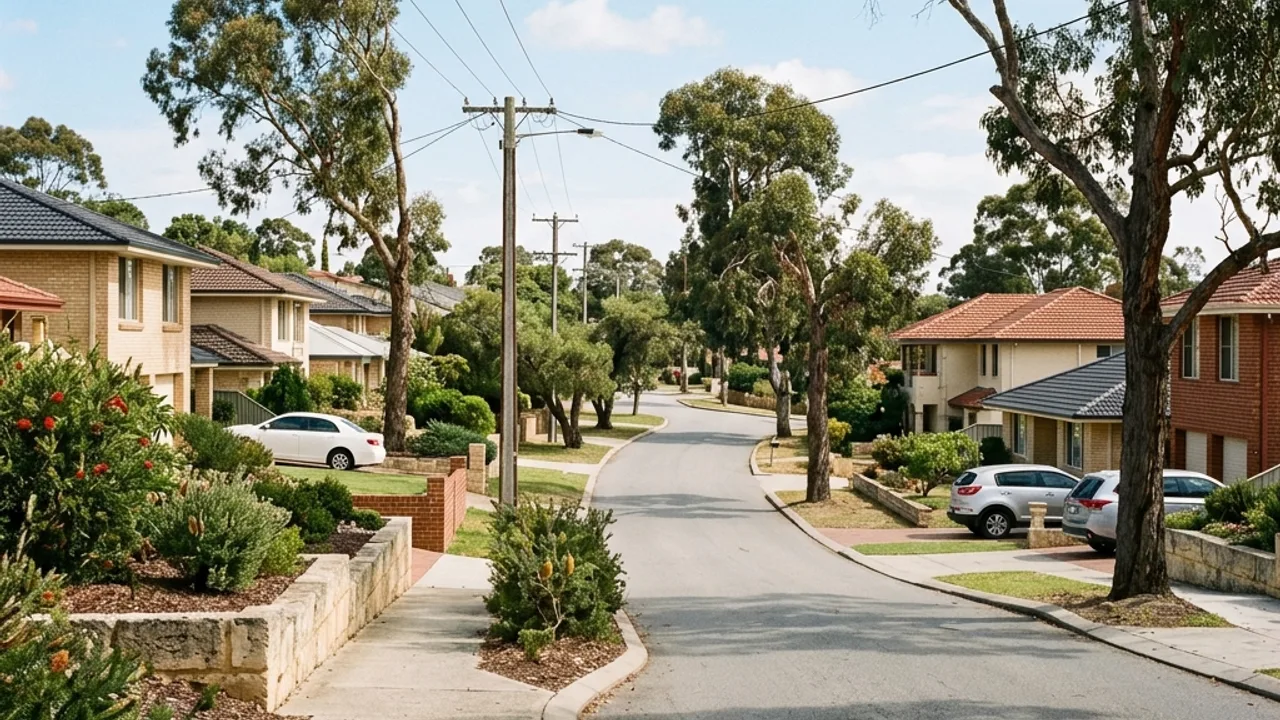
Retaining Walls in Scarborough
Scarborough is a coastal suburb whose foreshore comprises shore-parallel Quindalup sand ridges over older Spearwood dunes, making loose sand and dune slopes relevant to retaining design.
Retaining walls Scarborough homeowners can rely on, matched to the ground your block actually sits on.
How Scarborough ground affects the retaining walls Perth homeowners build
Scarborough's foreshore sits on shore-parallel Quindalup sand ridges over older Spearwood dunes, which means retaining walls near the coast here are dealing with loose, calcareous sand rather than a stable clay or rock base. Face stability during excavation is the real issue - sand ravels and slumps if it's not managed properly, especially after winter rain. Limestone is a natural fit given the material is often close at hand in this geology, and post-and-panel suits taller retaining where a level pad is needed on a dune-affected block.
Why Scarborough Homeowners Use Our Help
Sand-belt geometry, not soil movement
On the coastal plain a wall is usually earning its keep by levelling a building pad or holding a sandy face stable, not resisting clay movement - we scope the job for that real problem, not an imported one. Relevant for blocks around Scarborough Beach Road and near Scarborough Beach.
Limestone-depth awareness
Yellow sand over limestone is common on this part of the coast; we flag the excavation-cost risk of hitting rock early before you commit to a price, not after the digger arrives. Relevant for blocks around West Coast Highway and near Scarborough Beach Pool.
Established-garden sensitivity
Retaining work around mature gardens and established street trees is planned to protect root zones and existing landscaping, not just to get the wall in as fast as possible. Relevant for blocks around Brighton Road and near Scarborough Clock Tower.
About Scarborough
Scarborough is defined by Scarborough Beach and the Scarborough Beach Pool, with the Scarborough Clock Tower a well-known landmark along Scarborough Beach Road and West Coast Highway. The suburb mixes beachfront apartment development with established residential streets further back from the coast, reflecting decades of both holiday and permanent housing.
Local Conditions on the Ground in Scarborough
Blocks closer to the West Coast Highway dune system deal with genuinely loose calcareous sand where excavation face stability is the primary retaining concern, while streets further inland toward Brighton Road sit on more settled Spearwood sand over limestone. Scarborough's ongoing beachfront redevelopment also means some retaining work here interacts with recent civil works and altered dune levels nearby, worth checking before a wall design is finalised.
Retaining Wall Services Available in Scarborough
Talk to a specialist
Ready to Talk About Your Scarborough Project?
Tell us what is happening in Scarborough and we will help you take the next step.
Get a Written Quote for Scarborough
Your details help us understand what you need and respond clearly.
Adjacent Suburbs We Also Cover
Nearby neighbourhoods: Trigg, Karrinyup, Doubleview